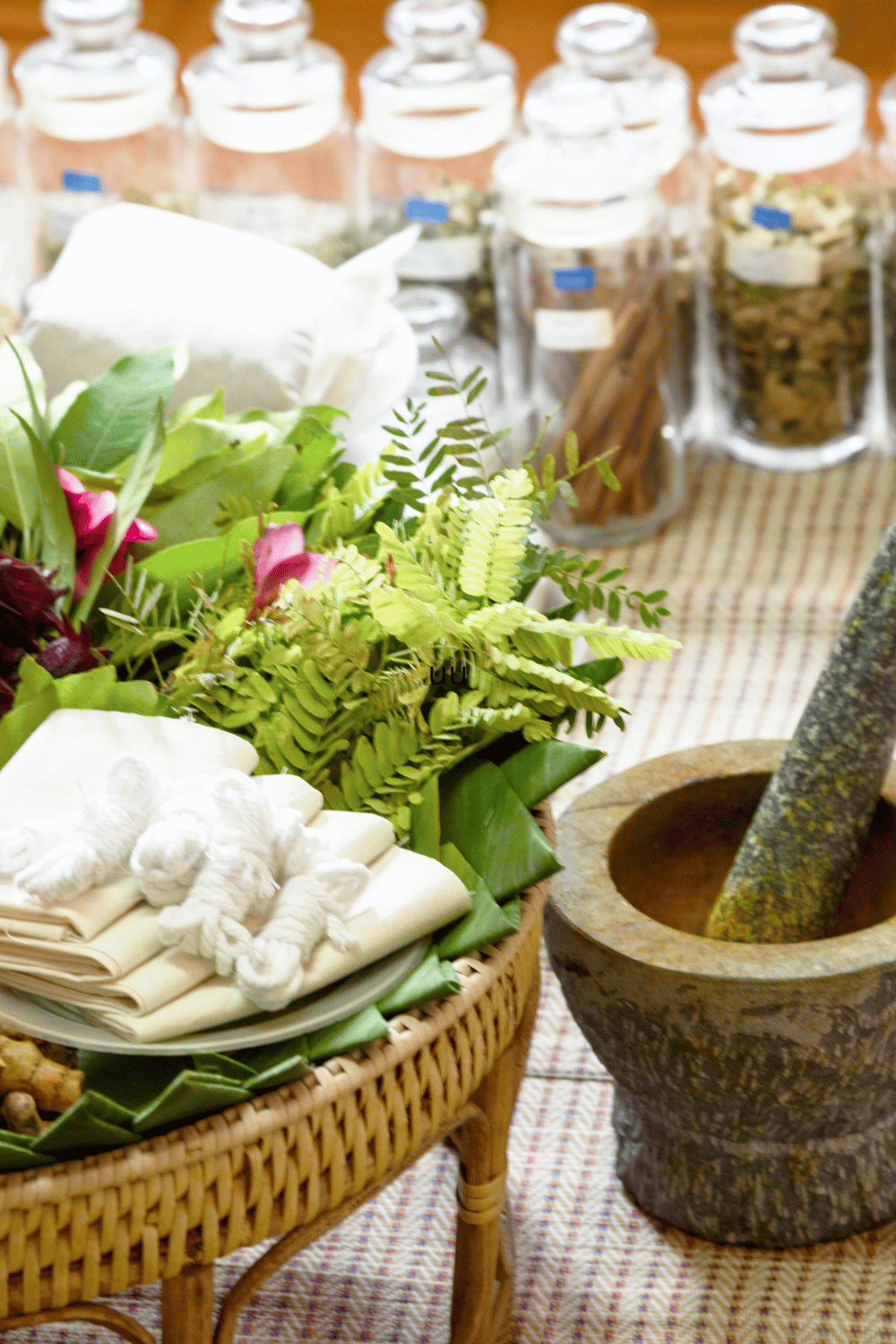
Long before there was a pharmacy on every corner, people reached for what they had: garlic, honey, herbs, spices, broths and medicinal plants. These old-school remedies still have a place in our homes today.
We’re both big believers that natural medicine and conventional medicine don’t have to be enemies. There are absolutely times when an antibiotic is necessary – and when it is, we’re grateful to have it. Antibiotics can be lifesaving in certain situations. They do not, however, treat viruses like colds and flu.
At the same time, nature gives us some pretty incredible tools. Many familiar foods, herbs and plant compounds have been studied for antibacterial, antiviral, antifungal, antioxidant and/or anti-inflammatory properties. We love keeping these simple tools on hand as part of our family’s wellness routine.
Here are 12 of our favorites.
1. Oregano
Oregano is one of those tiny herbs with some pretty powerful plant chemistry.
Oregano, particularly oregano essential oil, contains compounds such as carvacrol and thymol that have demonstrated antimicrobial activity in laboratory research. Oregano is among the food plants researchers continue to investigate for its antibacterial properties.
We think of oregano as something to keep in the natural medicine cabinet rather than something that needs to be taken every day.
An important note: oregano essential oil is extremely concentrated and should not be swallowed undiluted. It also isn’t appropriate for everyone, particularly during pregnancy or for young children, without professional guidance.
2. Raw Honey
This may be one of our favorite examples of food as medicine. Honey has naturally occurring antimicrobial properties, and certain types of honey have been researched extensively for wound care and bacterial inhibition.
You don’t have to turn it into something complicated. A spoonful of honey or honey stirred into warm tea can be one of the simplest things to reach for when a throat feels scratchy or a cough is keeping someone awake.
Remember: Never give honey to a baby under 12 months old.
3. Bone Broth
We wouldn’t technically classify bone broth as an antimicrobial. We include it because supporting the immune system isn’t only about trying to “kill germs.” Your body also needs adequate protein, amino acids, minerals, fluids and overall nourishment to do its job well.
Bone broth is warm, easy to sip when appetite is low and an easy way to add protein and fluids during an illness. Sometimes the most basic supportive measures are the ones we forget.
4. Turmeric
That bright yellow color isn’t just pretty. Turmeric contains curcumin, a plant compound studied extensively for its antioxidant and anti-inflammatory properties. Turmeric has also been investigated alongside other food plants for antimicrobial activity.
We love adding turmeric to soups, broths, curries, roasted vegetables or a warm drink.
And here’s something we say often: your spice cabinet can absolutely be part of your wellness cabinet!
5. Cinnamon
Another everyday spice that does more than make your kitchen smell amazing. Cinnamon contains several bioactive plant compounds and has been studied for antioxidant, anti-inflammatory and antimicrobial properties.
Rather than thinking you need another supplement, start with food. Sprinkle cinnamon onto oatmeal, add it to smoothies, baked apples or warm drinks. Those little things add up.
6. Garlic
If we had to pick one food that deserves a permanent spot in the “food as medicine” conversation, garlic would be high on the list.
When garlic is chopped or crushed, it produces compounds including allicin, which has been studied for antimicrobial activity. Garlic is also one of the foods identified in scientific literature as a source of naturally occurring antibacterial compounds.
Our favorite way to use it? Cook with it. A lot.
Add garlic to soups, broths, sauces, vegetables and basically anything savory. You don’t always need an exotic supplement when something powerful is sitting in your produce drawer.
7. Echinacea
Echinacea has been used traditionally for generations, particularly around respiratory illnesses. You’ll often see it marketed for immune support and shortening colds. We love finding tea blends that contain Echinacea.
8. Black Seed Oil
Black seed (Nigella sativa) has a very long history of traditional use. One of its major active constituents, thymoquinone, has generated interest for its antioxidant and anti-inflammatory properties.
Black seed oil is more concentrated than simply cooking with a spice, though, so this is another example where more isn’t necessarily better.
Supplements can interact with medications and aren’t automatically appropriate during pregnancy, breastfeeding or for children.
9. Elderberry
If you’ve followed us for a while, you probably aren’t surprised to see elderberry here. Elderberries contain anthocyanins and other polyphenols with antioxidant activity. Elderberry products are widely used during cold and flu season. We like to make our own Elderberry syrup every year, and you can find included in products like immune supportive supplements and lozenges.
10. Onion
Possibly the least glamorous remedy on this list and one of the cheapest. Onions belong to the same Allium family as garlic and contain sulfur-containing compounds and flavonoids such as quercetin.
We use onions liberally in cooking, particularly in soups and broths when someone isn’t feeling well. A warm (not hot!) onion over an ear infection is another old-school, but very supportive, remedy we still use today.
11. Cod Liver Oil
Cod liver oil isn’t an antibiotic or antimicrobial. So why include it? Because this list isn’t really about finding twelve substances that kill bacteria. It’s about supporting the body’s defenses from multiple angles.
Cod liver oil naturally contains vitamins A and D, nutrients involved in normal immune function.
12. Ginger
Last – but definitely not least – is ginger.
Ginger contains several bioactive compounds, including gingerols and shogaols, and has been studied for antioxidant, anti-inflammatory and antimicrobial effects. It’s also one of our go-to’s for an upset tummy.
We especially love ginger because it’s incredibly easy to incorporate into everyday life. Fresh ginger tea, soups, stir-fries, smoothies – you don’t need to wait until you’re sick to use it.
But Are These Really “Nature’s Antibiotics”?
Here’s where we want to make an important distinction.
Technically, “natural antimicrobials” is a more accurate term for many things on this list. An antimicrobial is a substance capable of inhibiting or affecting microorganisms, while antibiotics are medications specifically used to treat bacterial infections.
If you have pneumonia, strep throat, a UTI, sepsis or another bacterial infection for which an antibiotic may be indicated, please seek appropriate medical evaluation. Antibiotics can be need to appropriately treat and clear infection.
On the flip side, antibiotics don’t treat viruses – including the viruses responsible for colds and influenza – and unnecessary antibiotic use can cause side effects and contribute to antimicrobial resistance.
There’s room for nuance here.
Our Approach: Support the Body, Don’t Just Chase the Germ
This is really the bigger takeaway. When someone in our family starts feeling under the weather, we aren’t simply asking: “What can we take to kill this?”
We’re also asking:
Is everyone sleeping enough?
Are we getting adequate protein?
Are we staying hydrated?
Are we eating nutrient-dense foods?
Are we getting outside and getting fresh air?
Are we allowing the body to actually rest?
Can we use food, herbs or other simple remedies to make symptoms more comfortable while the immune system does its job?
That is the part of natural medicine we love. You don’t necessarily need a cabinet overflowing with expensive supplements. Sometimes some of the best wellness tools are already sitting in your refrigerator, pantry or spice cabinet.
Garlic. Ginger. Honey. Broth. Turmeric. Cinnamon. Onions.
Simple doesn’t mean useless. And natural doesn’t mean harmless – or appropriate for every illness.
The goal isn’t to avoid conventional medicine at all costs. It’s to know how to support your body well, while also knowing when medical treatment is necessary.
This article is for educational purposes only and is not medical advice. Natural remedies and supplements can have side effects, contraindications and medication interactions. Children, pregnant or breastfeeding women, and anyone taking medication should speak with a qualified healthcare provider before using concentrated herbs or supplements. Seek medical care for severe, persistent or worsening symptoms.