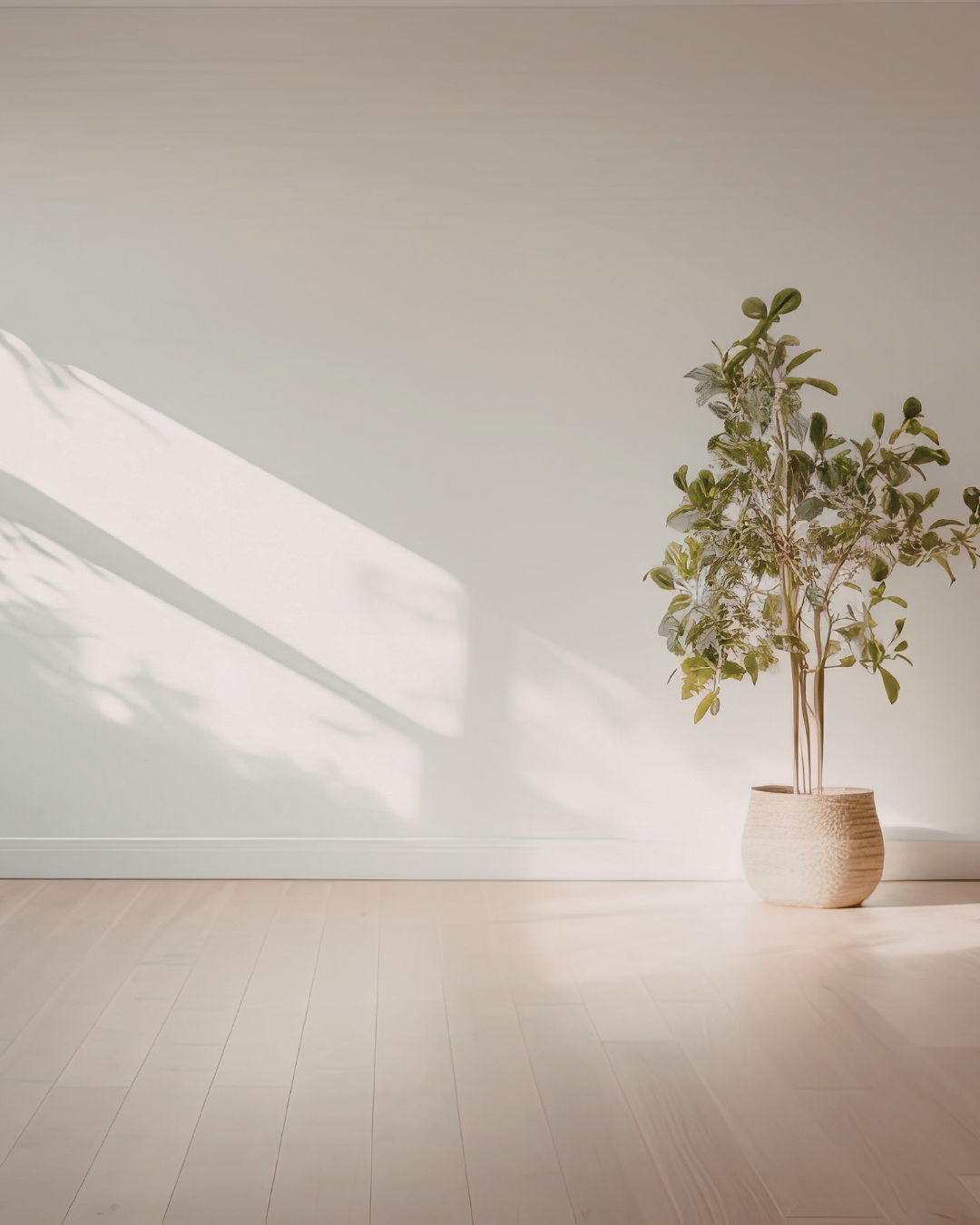
Your home should feel like a sanctuary – a place where you can relax, recharge, and leave the stress of the day behind. But cluttered spaces, harsh lighting, and overstimulation can make stress worse and interfere with your well-being.
The good news? Small, intentional changes to your home environment and daily habits can reduce stress naturally and create a peaceful, mindful atmosphere. Below are 10 natural home habits to help you build a calm, lower-stress living space.
Let in Natural Light for Mood and Energy
Natural light supports your body’s circadian rhythm, boosts mood, and helps regulate energy throughout the day. Open your curtains or blinds to let sunlight in during the morning and daytime. Even a few minutes of direct sunlight can reduce stress and improve focus, making your home feel brighter and more restorative.
Bring Nature Indoors
Adding plants, flowers, or small potted herbs to your home creates a natural, calming atmosphere. Studies show that indoor plants can lower blood pressure, reduce stress, and enhance focus. Choose low-maintenance options like snake plants, pothos, or peace lilies to keep your space green and relaxing.
Declutter Mindfully
A cluttered home can lead to a cluttered mind. Spend a few minutes each day tidying your most-used spaces, such as the bedroom or living area. Removing excess items helps create mental clarity, reduces anxiety, and makes your home feel more peaceful.
Use Calming (But Non-Tox) Scents
Aromatherapy is an easy way to reduce stress at home. Essential oils like lavender, chamomile, eucalyptus, and cedarwood can promote relaxation. Use diffusers, quality candles, or even simmer pots to fill your home with natural, calming scents.
Set Up a Relaxation Corner
Designate a small space in your home just for relaxation. This could be a cozy chair with a blanket, a meditation cushion, or a quiet reading nook. Having a dedicated relaxation spot signals to your brain that it’s time to pause and recharge.
Keep Your Home Clean Naturally
Regular cleaning reduces stress and improves mental clarity. Use natural, non-toxic cleaners like vinegar-based, baking soda, and essential oil blends to keep your home fresh without harsh chemicals. A clean, natural home environment supports calmness and overall well-being. Choose just one small area to focus on – overhauling a larger area can feel overwhelming.
(Download our app, nook, to help you locate low-tox, safe cleaning & home products for your family)
Incorporate Soft, Circadian-Friendly Lighting
Harsh overhead lights can increase stress and disrupt your sleep. Instead, create a warm, calming atmosphere with soft lamps, red light, and circadian light bulbs. These bulbs are designed to mimic natural sunlight patterns, supporting your body’s circadian rhythm, enhancing energy during the day, and promoting relaxation in the evening.
Tips for circadian-friendly lighting:
- Use lamps or indirect lighting instead of harsh overhead lights
- Install dimmers for evening relaxation
- Position circadian bulbs in bedrooms, living rooms, and workspaces
Soft lighting cues your mind and body to relax and supports better sleep quality.
Limit Noise and Digital Clutter
Reducing noise and digital distractions creates a calmer environment. Turn down/off notifications, play soft background music or nature sounds. A peaceful auditory environment helps lower stress and enhances mindfulness.
Personalize With Natural Textures
Incorporate natural textures like wood, stone, linen, or cotton in your home décor. These elements create warmth and grounding, connecting your space to nature and promoting a sense of calm. Even small touches like a wooden bowl or a linen throw can make your home feel more serene.
Practice Daily Home Rituals
Simple daily rituals bring mindfulness and structure into your home. Small habits like making your bed, watering plants, lighting a candle, or tidying a space can reduce stress and increase a sense of control. These tiny rituals compound over time, making your home a consistently calming space.
Reducing stress at home doesn’t require massive lifestyle changes, and you DON’T have to do all the above! By incorporating even one or two of the above, you can create a peaceful sanctuary that supports relaxation, mindfulness, and holistic well-being. Over time, these intentional habits build a home environment that nurtures both your mind and body. Wishing you a happy, cozy home.
Sources
Lee, M.-S., Lee, J., Park, B.-J., & Miyazaki, Y. (2015). Interaction with indoor plants may reduce psychological and physiological stress by suppressing autonomic nervous system activity in young adults: A randomized crossover study. Journal of Physiological Anthropology, 34(1), 21. https://doi.org/10.1186/s40101-015-0060-8 — Shows that interacting with indoor plants can reduce stress markers and promote relaxation compared with mentally demanding tasks.
Zandi, A., & Wung, S.-F. (2025). Health effects of plants, light, and natural elements of biophilic interventions in confined settings: A systematic review. Frontiers in Physiology, 16, 1700518. https://doi.org/10.3389/fphys.2025.1700518 — Systematic review demonstrating that biophilic elements like plants and natural light in indoor environments are associated with reduced stress and improved mood.
Huang, et al. (2019). Effects of aromatherapy on sleep quality: A systematic review and meta-analysis. Complementary Therapies in Medicine, (publication details). https://doi.org/10.1016/j.ctim.2019.06.006 — A meta‑analysis showing that aromatherapy can help improve sleep quality and emotional relaxation, which relates to stress reduction.
Sivamaruthi, B. S., Kesika, P., Sisubalan, N., & Chaiyasut, C. (2025). The role of essential oils on sleep quality and other sleep‑related issues: Evidence from clinical trials. Mini Reviews in Medicinal Chemistry, 25(3), 234–258. https://pubmed.ncbi.nlm.nih.gov/39225207 — Review of clinical evidence that essential oils may support sleep and relaxation, contributing to stress reduction.
Yang, J., Deng, Z., Pei, S., & Zhang, N. (2024). A feasibility study on indoor therapeutic horticulture to alleviate sleep and anxiety problems. Complementary Therapies in Medicine, 81, 103032. https://doi.org/10.1016/j.ctim.2024.103032 — Feasibility study showing therapeutic horticulture (plants + activities) may improve sleep and reduce anxiety, supporting the value of indoor plants for well‑being.
U.S. National Center for Complementary and Integrative Health. (n.d.). Sleep Disorders and Complementary Health Approaches: Aromatherapy. Retrieved from https://www.nccih.nih.gov/health/sleep-disorders-in-depth — NIH overview summarizing research findings that aromatherapy may help improve sleep quality and reduce symptoms of insomnia and stress, though larger studies are needed.