Feeling exhausted no matter how much you sleep? Struggling with brain fog, headaches, or low energy throughout the day?
Low iron is incredibly common, especially among women, yet many symptoms are often dismissed as stress, burnout, poor sleep, or simply being “busy.” In reality, iron plays a foundational role in energy production, oxygen transport, brain function, hormone health & menstruation, overall vitality…feeling good!
The good news? Supporting healthy iron levels often involves more than simply taking a supplement. Let’s look at this from an integrative, root cause perspective…
Why Iron Matters
Iron is an essential mineral needed to produce hemoglobin, a protein in red blood cells that carries oxygen throughout the body. Without adequate iron, tissues may not receive optimal oxygen delivery, which can affect everything from energy and metabolism to cognitive function and exercise tolerance.
Iron also supports:
- healthy hair growth
- nervous system function
- immune health
- mood and concentration
- athletic performance
- hormone balance & menstruation
Women of reproductive age, athletes, pregnant women, postpartum mothers, vegetarians, vegans, and individuals with digestive issues are particularly at risk for low or suboptimal iron levels.
Common Low Iron Symptoms
Low iron symptoms can range from subtle to severe, and many develop gradually over time.
Persistent Fatigue
One of the most common iron deficiency symptoms is ongoing fatigue that doesn’t improve with rest.
This may look like:
- needing caffeine to function
- afternoon energy crashes
- feeling drained after workouts
- struggling with motivation or stamina
- waking feeling unrested
Because iron helps transport oxygen throughout the body, low levels can significantly impact energy production.
Menstrual Changes
Low iron and menstrual health are closely connected. Heavy or prolonged periods can contribute to iron loss, but low iron may also make it harder for the body to maintain balanced, healthy cycles.
Some women with low iron notice:
- heavier or longer periods
- increased fatigue during menstruation
- larger or more frequent clots
- slower recovery after their cycle
Low iron can also worsen common menstrual symptoms like fatigue, brain fog, and low energy, especially when ferritin levels are depleted even if hemoglobin appears normal.
At the same time, heavy menstrual bleeding is one of the most common causes of iron deficiency, which is why addressing both nutrient status and underlying cycle health is important.
Brain Fog & Poor Concentration
Low iron may contribute to:
- forgetfulness
- difficulty focusing
- mental fatigue
- poor concentration
Many people describe this as feeling mentally “foggy” or sluggish throughout the day.
Feeling Cold Frequently
If your hands and feet are always cold – even when others feel comfortable – low iron may be worth exploring.
Reduced oxygen circulation associated with iron deficiency can sometimes affect temperature regulation.
Headaches or Dizziness
Iron deficiency may contribute to:
- headaches
- lightheadedness
- dizziness
- feeling faint when standing quickly
These symptoms can occur when the brain isn’t receiving optimal oxygen delivery.
Shortness of Breath During Activity
Feeling unusually winded during workouts or daily activities may be another sign of low iron.
Without sufficient iron, the body may struggle to efficiently deliver oxygen to working muscles or have the stamina to continue activity.
Hair Shedding & Brittle Nails
Low ferritin levels are commonly associated with:
- increased hair shedding
- thinning hair
- weak or brittle nails
Because iron supports healthy cell growth, deficiency can affect rapidly growing tissues like hair and nails.
Pale Skin
Paler skin, lips, or inner eyelids can sometimes indicate lower hemoglobin levels and reduced red blood cell production. This symptom is often more noticeable with more advanced deficiency.
Restless Legs & Poor Sleep
Some individuals with low iron experience:
- restless legs at night
- trouble falling asleep
- poor sleep quality
Iron plays a role in dopamine production and nervous system regulation, both of which influence sleep and movement patterns.
Important Labs for Low Iron
A standard blood test doesn’t always tell the full story when it comes to iron status so it’s important to have a discussion with your healthcare provider about completing a more comprehensive iron panel to investigate if you suspect you may have low levels.
Labs Often Used to Evaluate Iron Status
1. Ferritin
Ferritin measures stored iron and is often one of the earliest markers to decline. Low ferritin symptoms can occur even before anemia develops.
2. CBC (Complete Blood Count)
Evaluates red blood cells and can help identify anemia.
3. Hemoglobin & Hematocrit
Markers used to assess oxygen-carrying capacity and red blood cell status.
4. Serum Iron
Measures circulating iron in the bloodstream.
5. TIBC (Total Iron Binding Capacity)
Evaluates how well the body transports iron.
6. Transferrin Saturation
Shows how much iron is actually available for use.
Other Helpful Labs to Consider
Because nutrient imbalances often overlap, we also commonly look at the following:
- vitamin B12
- folate
- thyroid markers (TSH, Free T4, Free T3, Thyroglobulin & Thyroid Peroxidase Antibodies)
- copper
- vitamin D
- inflammatory markers (hsCRP)
It’s also important to understand that ferritin can appear artificially elevated during inflammation or illness, which is why interpreting labs in context matters – always work with a qualified healthcare practitioner for diagnosis and individualized care.
Root Causes of Low Iron
Low iron isn’t always caused by poor diet alone. Identifying the underlying cause is one of the most important steps toward long-term improvement.
Common contributors include:
- heavy menstrual cycles
- pregnancy and postpartum depletion
- restrictive dieting
- low stomach acid
- digestive disorders
- poor nutrient absorption
- endurance training or overtraining
- chronic inflammation
- inadequate protein intake
How to Improve Iron Levels Naturally
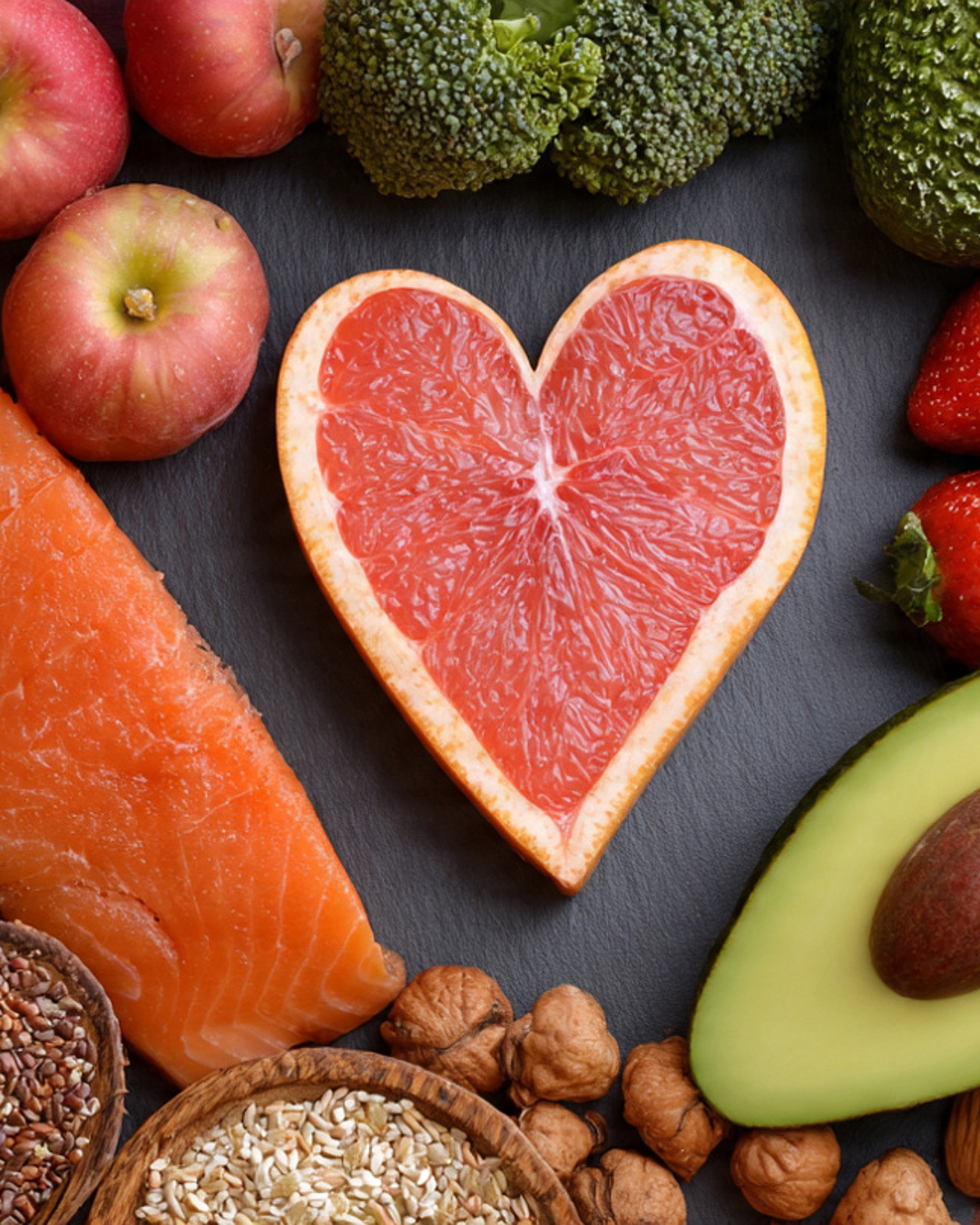
1. Prioritize Iron-Rich Foods First
Diet should always be the foundation whenever possible. Food is medicine, afterall!
Best Sources of Heme Iron
Heme iron is the most absorbable form and is found in animal foods like:
- red meat (grass-fed when able)
- liver
- sardines
- oysters
- dark meat poultry
Plant-Based Iron Sources
Non-heme iron is found in:
- lentils
- spinach
- pumpkin seeds
- tofu
- beans
- quinoa
While plant foods contain valuable nutrients and iron, non-heme iron is generally less bioavailable than heme iron. This is another reason why those who do not consume animal foods commonly have low iron levels.
2. Pair Iron with Vitamin C
Vitamin C can significantly improve iron absorption & can make a meaningful difference over time when paired together.
Helpful food pairings include:
- spinach + lemon juice
- lentils + tomatoes
- steak + bell peppers
- iron supplements + citrus fruit
3. Cook with Cast Iron
Cooking in cast iron cookware may naturally increase the iron content of food, especially acidic foods like tomato sauce.
While cast iron alone won’t correct significant deficiency, it can be a supportive daily habit.
4. Reduce Common Iron Absorption Inhibitors
Certain foods and supplements can interfere with iron absorption when consumed alongside iron-rich meals.
These include:
- coffee
- tea
- calcium supplements
- large amounts of dairy
You don’t necessarily need to eliminate these foods, but simply consider spacing them away from iron-focused meals when possible.
Choosing a Quality Iron Supplement
Sometimes dietary support alone isn’t enough, especially when iron deficiency has been confirmed through labs, or during pregnancy or the postpartum period. Quality matters when choosing an iron supplement!
Some forms are often gentler and better absorbed than others, including:
- iron bisglycinate
- heme iron
Poorly formulated and/or tolerated supplements may cause:
- constipation
- nausea
- stomach discomfort
You can find the iron supplements we use in practice with our patient here – well tolerated & optimal formulas. Supplementation should, ideally, be guided by lab testing and practitioner support, with regular monitoring/testing to ensure levels are improving.
This article is for educational purposes only and is not intended to diagnose, treat, or replace medical advice. Always consult a qualified healthcare practitioner regarding supplements, lab testing, or medical concerns.
Sources
Camaschella C. (2019). Iron deficiency. Blood. https://doi.org/10.1182/blood-2018-05-815944
DeLoughery TG. (2017). Iron Deficiency Anemia. The New England Journal of Medicine / hematology reviews context.
https://www.hematology.org/education/patients/anemia/iron-deficiency
National Institutes of Health (NIH) – Office of Dietary Supplements. Iron Fact Sheet for Health Professionals.
https://ods.od.nih.gov/factsheets/Iron-HealthProfessional/
Cappellini MD, Musallam KM, Taher AT. (2020). Iron deficiency anaemia revisited. Journal of Internal Medicine.
https://doi.org/10.1111/joim.13004
Short MW, Domagalski JE. (2013). Iron deficiency anemia: evaluation and management. American Family Physician.
https://www.aafp.org/pubs/afp/issues/2013/0115/p98.html
British Medical Journal (BMJ) Best Practice. Iron deficiency anemia overview. https://bestpractice.bmj.com/topics/en-gb/94
MSD Manual Professional Edition. Iron Deficiency Anemia.
https://www.msdmanuals.com/professional/hematology-and-oncology/anemias-caused-by-deficient-erythropoiesis/iron-deficiency-anemia
StatPearls Publishing (NCBI Bookshelf). Iron Deficiency.
https://www.ncbi.nlm.nih.gov/books/NBK448065/
Auerbach M, Adamson JW. (2016). How we diagnose and treat iron deficiency anemia. American Journal of Hematology.
https://doi.org/10.1002/ajh.24301