Sometimes, the healthiest thing you can do…is less.
Walk into any health store or scroll social media for five minutes and you’ll probably leave with the impression that better health is just one more habit away.
Wake up earlier.
Drink more greens.
Fast longer.
Exercise harder.
Take more supplements.
Cold plunge.
Sauna.
Red light.
Protein.
Steps.
Sleep tracker.
Electrolytes.
None of these things are inherently “bad.” In fact, many can be incredibly beneficial.
But somewhere along the way, “wellness” is feeling like it’s becoming another competition – a never-ending checklist of things we’re supposed to be doing perfectly.
Here’s what we wish more women knew: Healthy habits only help when they support your body – not when they become another source of stress.
We believe health isn’t about seeing how much you can tolerate or how disciplined you can be. It’s about understanding what your body needs in this season of life and working with it instead of constantly pushing against it.
Sometimes the habits that look healthiest from the outside are actually asking more of your body than it has the capacity to give.
Let’s talk about a few of the most common ones.
1. Constant Dieting and Not Eating Enough
One of the biggest misconceptions in women’s health is that eating less automatically means better health.
In reality, your body is incredibly intelligent. When it senses that energy availability is consistently too low, it begins making trade-offs.
Instead of prioritizing thriving, it shifts toward survival.
Research on low energy availability – a concept studied not only in elite athletes but increasingly in everyday active women – shows that chronically undereating can influence menstrual function, bone health, metabolism, thyroid hormone conversion, immune function, and recovery. While every woman is different, consistently failing to meet your body’s energy needs can create ripple effects far beyond the number on the scale.
This doesn’t always look like someone eating 800 calories a day.
Sometimes it’s:
- skipping breakfast
- eating just a small salad for lunch
- squeezing in an intense workout
- grabbing coffee instead of a snack
- wondering why you’re exhausted by 3 p.m.
We’ve spoken with countless women who are surprised to learn they simply aren’t eating enough, especially enough protein, healthy fats, and nutrient-dense carbohydrates to support hormones, muscles, brain function, and energy.
Nutrition is about far more than calories. Your body needs amino acids to build hormones and neurotransmitters, healthy fats to support cell membranes and steroid hormone production, vitamins and minerals to power thousands of biochemical reactions, and carbohydrates to fuel tissues that rely heavily on glucose, including your brain.
Eating enough isn’t giving up on your health goals. For many women, it’s the first step toward finally feeling better!
2. More Exercise Isn’t Always Better
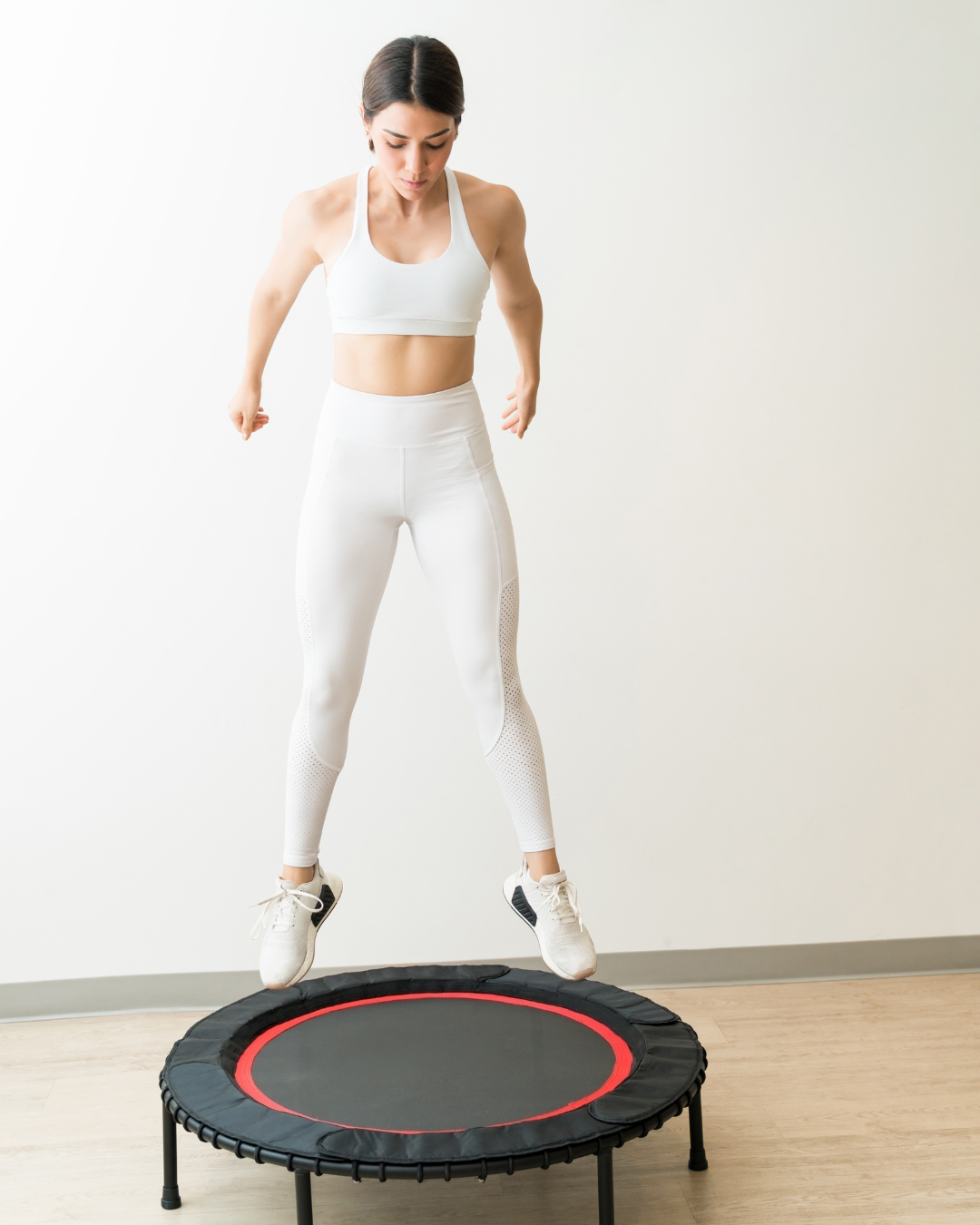
Exercise is one of the best things you can do for your health.
Regular movement improves cardiovascular health, supports healthy blood sugar regulation, strengthens bones, preserves muscle, improves mood, and reduces the risk of countless chronic diseases. Strength training, in particular, becomes increasingly important as women age, helping maintain muscle mass, support metabolic health, and protect bone density.
So let’s be clear: We’re not anti-exercise. Far from it.
But there is a point where more isn’t necessarily better.
We’ve all seen the messaging:
“No days off.”
“Push through.”
“If it doesn’t challenge you, it doesn’t change you.”
While consistency certainly matters, so does recovery.
When you exercise, you’re intentionally placing stress on your body. In response, your body adapts – it builds stronger muscles, more resilient bones, and a more efficient cardiovascular system. But that adaptation doesn’t happen during the workout itself. It happens afterward, when your body has adequate rest, nourishment, and sleep.
Without enough recovery, the stress begins to accumulate.
For some women, especially those juggling careers, postpartum, raising children, sleeping too little, eating too little, and/or navigating hormonal transitions like perimenopause, adding another high-intensity workout every day may not be the missing piece.
It may simply be one more demand on an already overwhelmed body. This doesn’t mean your workouts are “bad.” It means your body is carrying stress from many different sources – not just exercise.
Researchers often refer to this as your total stress load. Your body doesn’t separate emotional stress from physical stress.
A difficult week at work.
Caring for a sick child.
Poor sleep.
Under-eating.
Blood sugar swings.
A hard workout.
They all require your body to adapt.
When that total load becomes greater than your ability to recover, you may begin noticing things like:
- Persistent fatigue
- Declining performance despite training harder
- Increased soreness
- Trouble sleeping
- Feeling run down more often
- Irritability or mood changes
- Feeling “wired but tired”
- Menstrual irregularities or changes in cycle patterns
These symptoms don’t automatically mean you’re overtraining, nor do they mean exercise is the cause. They’re simply clues that your body may need a closer look at the balance between stress and recovery.
The good news? Recovery isn’t “being lazy.” It’s one of the most important parts of getting stronger.
Sometimes the healthiest workout is a long walk with a friend.
Sometimes it’s lifting weights three or four times a week instead of doing high-intensity classes every single day.
Sometimes it’s taking the rest day your body has been asking for all week.
Movement should leave you feeling more resilient over time – not constantly depleted.
3. Intermittent Fasting Isn’t Right for Everyone
A few years ago, it seemed like intermittent fasting was the answer to everything.
Weight loss.
Blood sugar.
Longevity.
Brain health.
Inflammation.
And while research does suggest that certain forms of time-restricted eating may offer benefits for some people, (particularly those with overweight, obesity, insulin resistance, or type 2 diabetes) the reality is much more nuanced than most make it seem.
What often gets lost in the conversation is this: Just because something can be beneficial doesn’t mean it’s beneficial for everyone.
Our bodies are incredibly adaptable, but they’re also highly individual. The same fasting schedule that leaves one person feeling energized may leave another feeling exhausted, anxious, or constantly thinking about food.
Women Aren’t Just “Small Men”
Historically, much of nutrition and exercise research has been conducted on men, and we’re still learning how women may respond differently to certain interventions throughout the menstrual cycle, during pregnancy, postpartum, and in perimenopause.
Hormones fluctuate. Energy needs change. Sleep changes. Stress changes.
That means there may not be one fasting schedule that’s ideal for every woman, or even for the same woman at every stage of life.
Some women genuinely feel great with a 12- or 14-hour overnight fast. Others notice they become irritable, struggle to concentrate, feel shaky by mid-morning, or end up overeating later in the day.
Those experiences don’t necessarily mean fasting is “bad.” They may simply be signs that your current approach isn’t working well for your body.
It’s About More Than the Clock
One of the biggest misconceptions we see is that when you eat matters more than what you eat. In reality, both matter.
A 16-hour fast followed by highly processed foods isn’t likely to support long-term health.
On the other hand, eating regular meals built around protein, healthy fats, fiber-rich carbohydrates, colorful produce, and minimally processed foods may provide many of the same metabolic benefits people are hoping to achieve, without extending the fasting window.
For many women, simply starting the day with a protein-rich breakfast, eating enough throughout the day, and maintaining steady blood sugar can be a more sustainable strategy than trying to stretch the hours between meals.
Listen to Your Body. Not Just the Latest Trend
One thing we love about holistic health is that it encourages curiosity instead of rigid rules.
Instead of asking, “How long should everyone fast?” we think a better question is:
“How do I actually feel with this routine?”
Are you waking up hungry at night?
Feeling lightheaded before lunch?
Thinking about food all morning?
Losing energy for your workouts?
Or do you feel focused, satisfied, and energized?
Those clues matter. Your body is constantly giving you feedback, and learning to pay attention to it is one of the most valuable health skills you can develop.
4. Running on Coffee Instead of Breakfast
If we had to pick one habit we see over and over again, it would be this: Coffee for breakfast.
Maybe with a splash of creamer.
Maybe paired with a quick workout.
Maybe followed by a protein bar hours later.
For many women, it’s not intentional. Mornings are busy. Kids need to get out the door. Work starts early. Sometimes there’s simply no time… or no appetite.
And to be clear, we’re not here to tell you to give up your morning coffee. We love coffee, too.
In fact, coffee itself has been associated with several potential health benefits, including a lower risk of type 2 diabetes, Parkinson’s disease, and liver disease when consumed in moderation. It also contains naturally occurring antioxidants and plant compounds that may support health.
The issue isn’t necessarily the coffee. It’s relying on coffee to replace nourishment.
Your Body Needs More Than Caffeine
Caffeine works by blocking adenosine, a chemical that helps you feel sleepy, making you feel more alert. But it doesn’t create energy. It simply changes how your brain perceives fatigue.
If your body is running low on fuel, coffee can temporarily help you feel more awake, but it can’t replace the protein, healthy fats, vitamins, minerals, and carbohydrates your cells actually need to function.
Think of it like the low-fuel light in your car. Putting a piece of tape over the warning light doesn’t fill the gas tank. It just makes it easier to ignore the message.
The Blood Sugar Connection
For many women, going several hours after waking without eating can make it harder to maintain steady energy throughout the day, especially if the first meal is low in protein or highly refined.
You might notice:
- Energy crashes by mid-morning or early afternoon
- Feeling shaky, irritable, or anxious before lunch
- Intense cravings later in the day
- Constant snacking
- Feeling ravenous by dinner (and hungry after)
Not everyone experiences this, but it’s a common pattern we see.
One simple strategy that has gained attention in recent years is prioritizing protein at breakfast.
Research suggests (and we continue to see in practice) that eating a protein-rich breakfast helps improve satiety, support blood sugar regulation, and reduce cravings later in the day compared with breakfasts that are primarily refined carbohydrates, or skipping breakfast altogether. Most women thrive consuming 30-35g protein at breakfast.
That doesn’t mean breakfast has to be elaborate.
Sometimes it’s simple things like:
- Eggs and fruit
- Leftover chicken with roasted vegetables
- A protein smoothie
- Turkey sausage with avocado
- Full-fat unsweetened sheep-milk yogurt with nuts and berries
The goal isn’t perfection. It’s giving your body something meaningful to work with.
When You’re Not Hungry
One question we hear often is: “But I’m never hungry in the morning.”
That’s surprisingly common.
Sometimes it’s because you ate a large meal late the night before.
Sometimes it reflects your normal appetite pattern.
Sometimes chronic stress, inadequate sleep, or other factors may influence morning hunger.
If that’s you, don’t force yourself to eat a huge breakfast.
Instead, consider whether you can gradually work toward a small, balanced meal within a couple of hours of waking and notice how your energy feels. Every person is different, and paying attention to how your body responds is more valuable than following a rigid rule.
5. More Supplements Don’t Always Mean Better Health
Walk into any health food store and it’s easy to feel like you’re one supplement away from perfect health.
One for stress.
One for sleep.
One for hormones.
One for your gut.
One for energy.
One for your immune system.
Before long, your kitchen counter starts looking more like a pharmacy than a pantry.
The supplement industry has exploded over the past decade, and while there are some truly excellent products available and ones we swear by after years of clinical experience, there’s also a growing belief that if a little is good, more must be better.
But that’s not how the human body works.
Supplements Are Meant to Fill Gaps – Not Replace the Basics
We absolutely believe supplements can have an important place in a wellness plan – we take them, too!
We’ve seen firsthand how correcting a vitamin D deficiency, supporting a pregnant or new mom with a good prenatal, replenishing iron stores, supporting thyroid health, or using targeted probiotics can make a meaningful difference for the right person. But supplements work best when they’re built on a solid foundation.
If you’re sleeping five hours a night, living on processed convenience foods, constantly stressed, and never moving your body, no collection of supplements can fully compensate for those missing pieces. Think of supplements as the finishing touches, not the foundation.
The foundation is still:
- Nourishing food
- Quality sleep
- Regular movement
- Stress management
- Healthy relationships
- Time outdoors
- A body that’s actually getting enough fuel
More Isn’t Always Better
One of the biggest misconceptions we see is that natural automatically means harmless. While many supplements are safe when used appropriately, they are still biologically active compounds. In some cases, taking high doses unnecessarily can actually work against you.
For example:
- Too much vitamin A during pregnancy.
- Excess zinc taken over time may interfere with copper absorption.
- High-dose iodine isn’t appropriate for everyone with thyroid concerns.
- Some herbs and supplements can interact with prescription medications or affect blood clotting before surgery.
Even nutrients your body needs can become problematic when taken in excess. That’s one reason we encourage thoughtful, personalized supplementation. And also a “see how you feel after taking for a few days” approach.
Test, Don’t Guess
One of the greatest gifts of functional and integrative medicine is the ability to ask better questions. Instead of guessing which supplement you need, sometimes it’s worth asking: What is my body actually missing?
Targeted lab testing can help identify nutrient deficiencies, thyroid dysfunction, blood sugar concerns, inflammation, or other imbalances that deserve attention.
That doesn’t mean everyone needs extensive testing. But it does mean we should be cautious about assuming every symptom requires another supplement.
Fatigue isn’t always B12. Hair loss isn’t always biotin. Brain fog isn’t always a nootropic.
Sometimes the answer lies somewhere completely different.
Don’t Forget the Synergy of Real Food
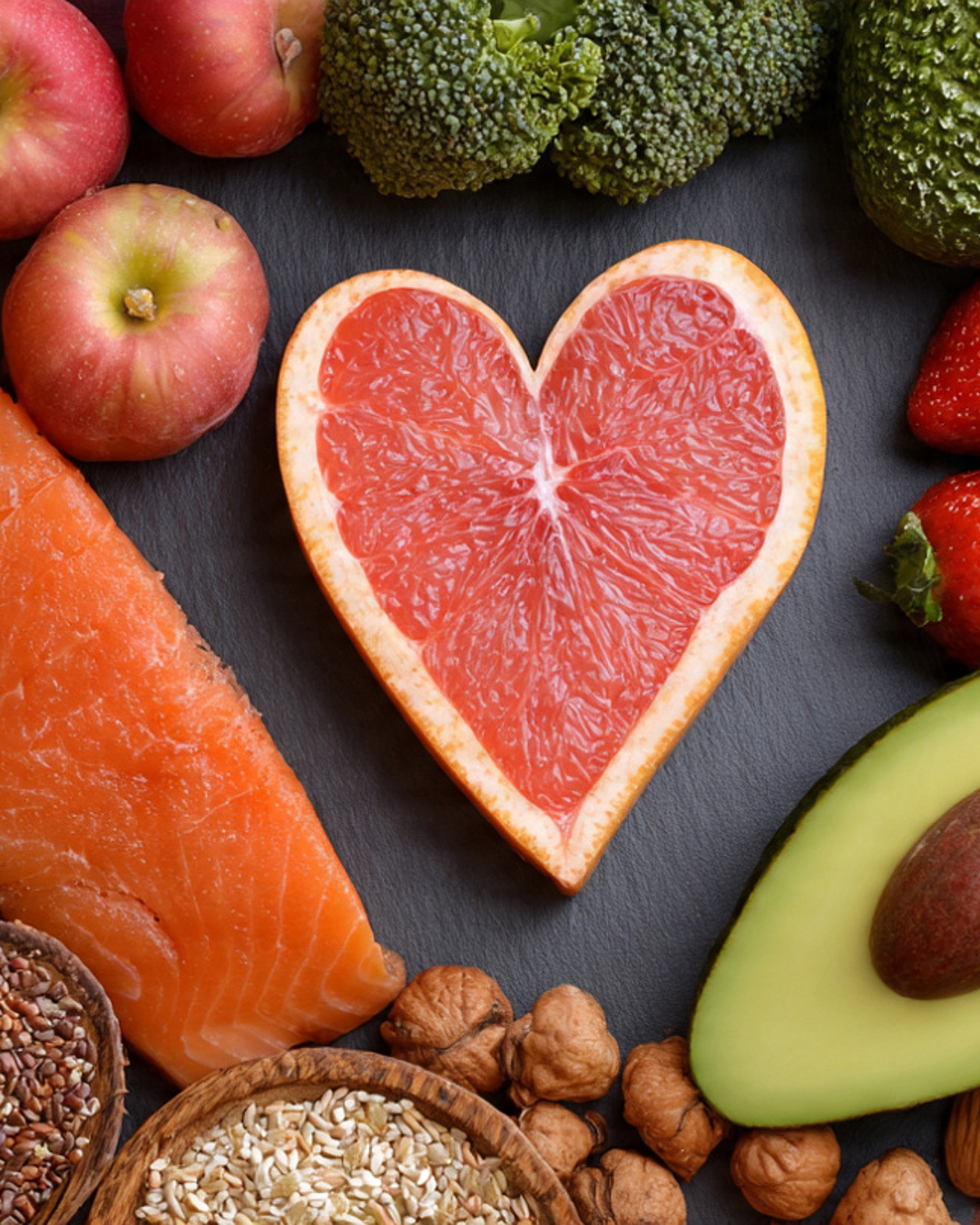
One of the reasons we love encouraging whole foods is because nature rarely delivers nutrients in isolation.
An orange doesn’t just provide vitamin C. It also contains fiber, flavonoids, water, and hundreds of naturally occurring plant compounds that scientists are still working to understand.
The same is true for vegetables, berries, herbs, nuts, seeds, legumes, and spices. These foods contain complex combinations of nutrients that work together in ways a single capsule often can’t fully replicate.
That doesn’t make supplements “bad.” It simply reminds us that they were never intended to replace a nourishing diet.
6. When Wellness Becomes Another Source of Stress
Here’s something we don’t talk about enough.
Sometimes it’s not the workouts.
Or the fasting.
Or the supplements.
Sometimes it’s the pressure to do all of it.
Wake up at 5 a.m.
Get your morning sunlight.
Drink the greens.
Take the supplements.
Hit your protein goal.
Strength train.
Walk 10,000 steps.
Sauna.
Cold plunge.
Meditate.
Red light.
Journal.
Get eight hours of sleep.
Cook everything from scratch.
Use only non-toxic products.
Manage your stress…
…without becoming stressed about managing your stress.
At some point, wellness can stop feeling like freedom and start feeling like another full-time job.
Your Body Was Never Designed to Be Perfect
One of the most beautiful things about the human body is how incredibly resilient it is.
It knows how to adapt. It knows how to heal. It knows how to recover. It doesn’t require perfection every single day.
In fact, one of the greatest sources of stress we see is the belief that every decision has to be the “right” one.
Many women carry a quiet, constant pressure:
“Did I eat enough protein today?”
“Should I have skipped dessert?”
“Was that workout hard enough?”
“I forgot my supplements.”
“I bought conventional strawberries instead of organic.”
“I missed my walk.”
“Maybe I ruined everything.”
The truth? Health isn’t built (or lost) in a single meal, one missed workout, or one imperfect day.
It’s built through patterns. Through consistency. Through GRACE.
Chronic Stress Has Real Effects
Stress itself isn’t the enemy. In fact, short bursts of stress are a normal, healthy part of life.
Exercise is a stress.
Learning something new is a stress.
Having a baby is a stress.
Meeting a deadline is a stress.
The problem arises when stress becomes chronic and recovery never catches up. Over time, ongoing psychological stress has been associated with poor sleep, higher inflammation, changes in appetite, elevated blood pressure, impaired immune function, and greater risk of chronic disease.
It’s also one of the easiest things to overlook because it doesn’t come in a bottle or show up on a nutrition label. Many women spend so much energy trying to optimize every aspect of their health that they unintentionally create another source of stress in the process.
Ironically, the pursuit of perfect health can sometimes become unhealthy.
Give Yourself Permission to Be Human
If you’ve ever felt like you’re failing because you didn’t make it to the gym…
Or because dinner came from the freezer…
Or because you forgot your magnesium…
Or because life simply got busy…
Please hear this:
You haven’t failed.
You’re living a real life.
And real life includes sick kids, deadlines, vacations, celebrations, birthdays, grief, busy seasons, and days when surviving is enough.
Those moments don’t erase your health. They are part of it.
One nourishing meal still matters.
One walk still matters.
One good night’s sleep still matters.
Small choices, repeated over time, are far more powerful than perfection for a week followed by burnout.
Health Should Give You More Life – Not Become Your Whole Life
We believe deeply in taking care of your health – that’s why we’re here, afterall.
We believe food matters.
Sleep matters.
Movement matters.
Healthy relationships matter.
Time outside matters.
Reducing your toxic burden matters.
Learning how your body works matters.
But here’s what matters, too: Actually living your life.
Because if the pursuit of health leaves you anxious about every ingredient, guilty over every missed workout, stressed because you forgot your supplements, or convinced you’re constantly falling short…then it’s worth asking whether your wellness routine is still serving you.
Or whether you’re serving it.
One of the most freeing realizations we’ve had over the years is this: Your body doesn’t need perfection to thrive. It needs consistency.
It needs nourishment more often than restriction. Movement more often than punishment. Rest as much as challenge. Joy as much as discipline. Connection as much as optimization.
Health isn’t built by one perfect smoothie. Or one skipped dessert. Or one missed workout.
It’s built by thousands of ordinary decisions that gently move you in the right direction over months and years. That’s incredibly good news! Because it means you don’t have to get everything right.
You don’t have to buy every supplement.
You don’t have to follow every trend.
You don’t have to keep chasing the newest biohack.
You simply need to care for your body consistently, listen when it’s asking for something different, and give yourself permission to adapt as life changes.
Some seasons you’ll have time to cook beautiful meals from scratch. Other seasons, getting dinner on the table is a victory.
Some seasons you’ll be lifting heavy weights three days a week. Other seasons, a walk around the neighborhood is exactly what your body needs.
Neither season makes you healthier than the other. They’re simply different chapters of the same story. We often say that holistic health is about looking at the whole person.
That includes your hormones. Your gut. Your sleep. Your environment. Your relationships. Your mental health. Your purpose. Your stress. Your joy.
Your body doesn’t experience these things separately. Neither should your approach to health.
So if there’s one thing we hope you take away from this article, it’s this: Choose habits that help you feel stronger, not just more disciplined.
Choose habits that leave you with more energy to play with your children, take a walk with your spouse, travel somewhere you’ve always wanted to visit, laugh around the dinner table, and fully experience the life you’ve worked so hard to build.
Because at the end of the day, that’s what good health is really for. Not to become your entire life. But to help you live it well.🌿
Sources
American College of Lifestyle Medicine. Six Pillars of Lifestyle Medicine. Available at: https://lifestylemedicine.org
American College of Sports Medicine. Position stands and clinical guidance on exercise, nutrition, and recovery.
Female Athlete Triad Coalition. 2025 Update to the Female Athlete Triad Coalition Consensus Statement. Sports Medicine.
Institute for Functional Medicine. Lifestyle: The Foundations of Functional Medicine. Available at: The Institute for Functional Medicine – Lifestyle: The Foundations of Functional Medicine. This resource reviews the evidence supporting nutrition, sleep, movement, stress management, relationships, and behavior change as foundational lifestyle interventions for long-term health.
Institute for Functional Medicine. Nutrition, Health & Wellness. Available at: The Institute for Functional Medicine – Nutrition, Health & Wellness. This resource discusses a food-first, personalized nutrition approach and the role of nutritional status in preventing and managing chronic disease.
National Institutes of Health, Office of Dietary Supplements. Dietary Supplement Fact Sheets for Health Professionals. Available at: https://ods.od.nih.gov
U.S. Department of Agriculture & U.S. Department of Health and Human Services. Dietary Guidelines for Americans, 2020–2025. Available at: https://www.dietaryguidelines.gov
World Health Organization. Physical Activity Guidelines.