A Holistic Look at the Root Causes of Hair Loss in Women
Few things can shake a woman’s confidence quite like watching her hair become thinner.
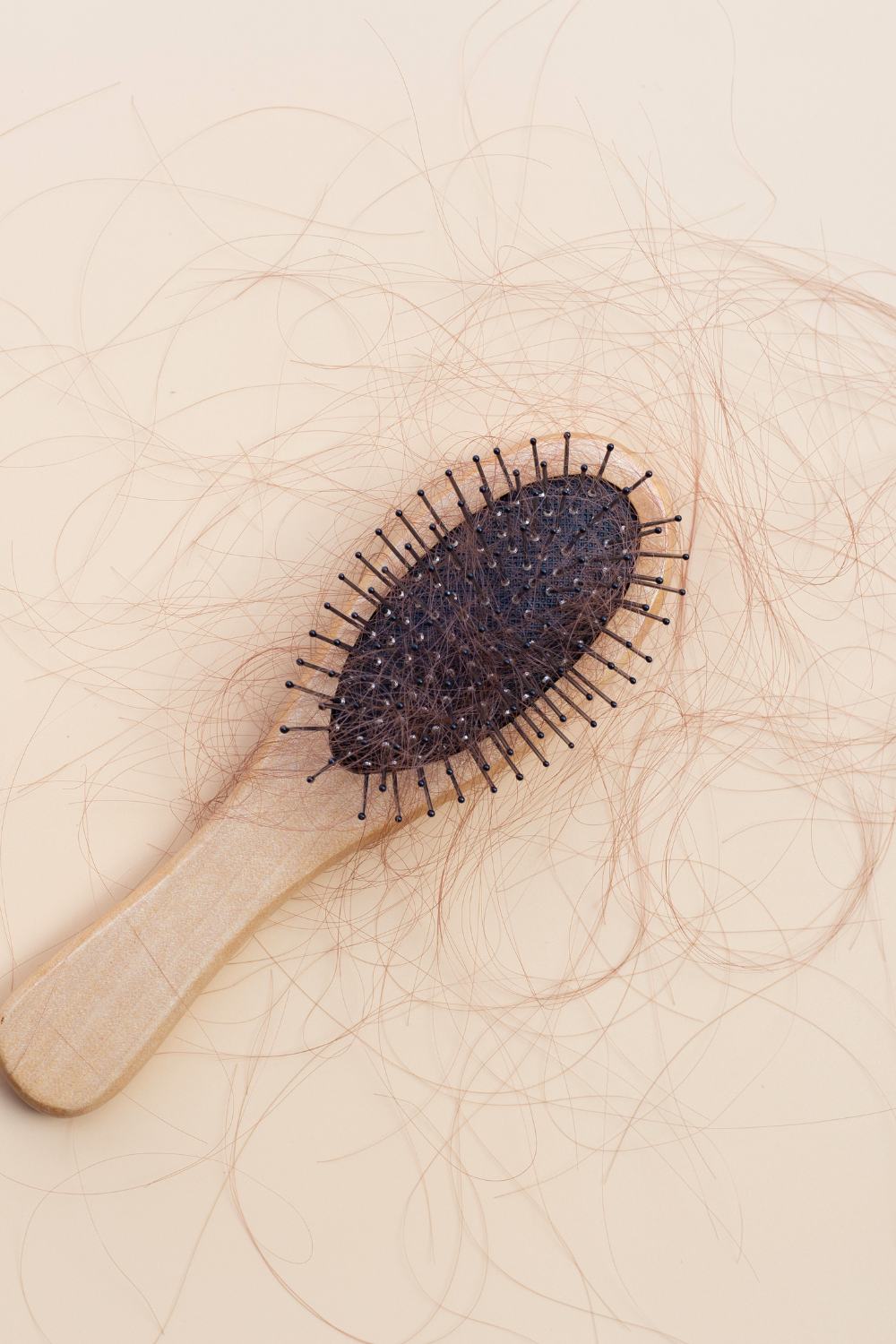
Maybe you’ve noticed more strands collecting in your hairbrush. Maybe your ponytail doesn’t feel as full as it once did. Maybe you’ve caught yourself avoiding bright bathroom lights or wondering if anyone else notices the widening part you’ve started to see in the mirror.
If so, we want you to know two things:
First, you are absolutely not alone. Hair thinning is incredibly common among women of all ages.
Second, and perhaps even more importantly, it isn’t something you should simply have to accept.
Too often, women are told that hair loss is “just hormones,” “just stress,” or “just part of getting older.” The conversation usually ends there, with recommendations for a new shampoo, a supplement, or a medication that focuses on the symptom rather than asking the bigger question: Why is this happening in the first place?
We believe your body is always communicating with you.
Hair doesn’t simply stop growing or start shedding without a reason. Changes in your hair are a clue that your body needs additional support. Nutrient deficiencies, thyroid imbalances, chronic stress, hormone shifts, blood sugar dysregulation, poor gut health, and other underlying factors can all influence the health of your hair.
Rather than viewing hair loss as something to hide or cover up, we see it as an invitation to become curious.
Because when you understand what’s driving the changes, you can begin supporting your body in a way that promotes health from the inside out – not just healthier hair, but often more energy, better mood, improved hormone balance, and a greater sense of well-being, too.
In this article, we’ll walk through some of the most common root causes of hair loss we consider from a holistic perspective, along with practical, evidence-informed ways to begin supporting your body naturally.
Our hope isn’t simply that your hair grows back. Our hope is that you discover what your body has been trying to tell you all along.
Pregnancy, Postpartum & Hormonal Shifts
One of the most common times women notice changes in their hair is after having a baby.
During pregnancy, rising estrogen levels often keep more hairs in the growth phase, which is why many women notice thicker, fuller hair. After delivery, estrogen levels naturally decline, and many of those hairs begin shedding over the following few months.
This type of postpartum hair loss is incredibly common and, for many women, temporary. However, if your hair continues thinning, or if the shedding feels excessive, it may be worth digging a little deeper.
Pregnancy and breastfeeding place tremendous demands on the body. Growing a baby requires nutrients, and if your nutrient stores weren’t optimal before pregnancy, your body may be working hard to replenish them afterward.
This is one reason we encourage women to think of postpartum care as much more than surviving those first few weeks. Supporting your body with nourishing meals, adequate protein, restorative sleep whenever possible, and replenishing key nutrients can make a meaningful difference in how you feel – including the health of your hair.
Even if you aren’t postpartum, other hormonal transitions, such as stopping hormonal birth control, perimenopause, menopause, or conditions like PCOS, can also influence hair growth.
Hormones don’t work in isolation. They communicate constantly with your thyroid, adrenal glands, blood sugar, liver, gut, and even your sleep patterns. That’s why a holistic approach looks at the entire picture rather than focusing on a single hormone.
Nutrient Deficiencies Go Beyond Iron
While iron often gets the spotlight, it’s certainly not the only nutrient involved in healthy hair growth. Hair is one of the fastest-growing tissues in the body, which means it requires a steady supply of vitamins, minerals, amino acids, and healthy fats to thrive.
Many important nutrients have been associated with healthy hair growth and normal hair follicle function, including:
- Zinc
- Vitamin D
- Vitamin B12
- Folate
- Selenium
- Copper (both too little and too much may be problematic)
- Essential fatty acids
- Biotin (though true deficiency is relatively uncommon)
This is one reason we’re cautious about recommending a “hair growth supplement” to everyone. If someone is deficient in zinc, taking biotin alone is unlikely to solve the problem. If low vitamin D is contributing, collagen probably isn’t the missing piece either.
Instead of guessing, consider testing whenever appropriate. Understanding what your body actually needs can help you make more targeted, effective decisions.
And remember – nutrients don’t work alone. They work together. A healthy, balanced diet built around whole foods often provides benefits that no single supplement can replace.
Your Gut Plays a Bigger Role Than You Might Think
Even the healthiest diet can’t help if your body isn’t absorbing nutrients well.
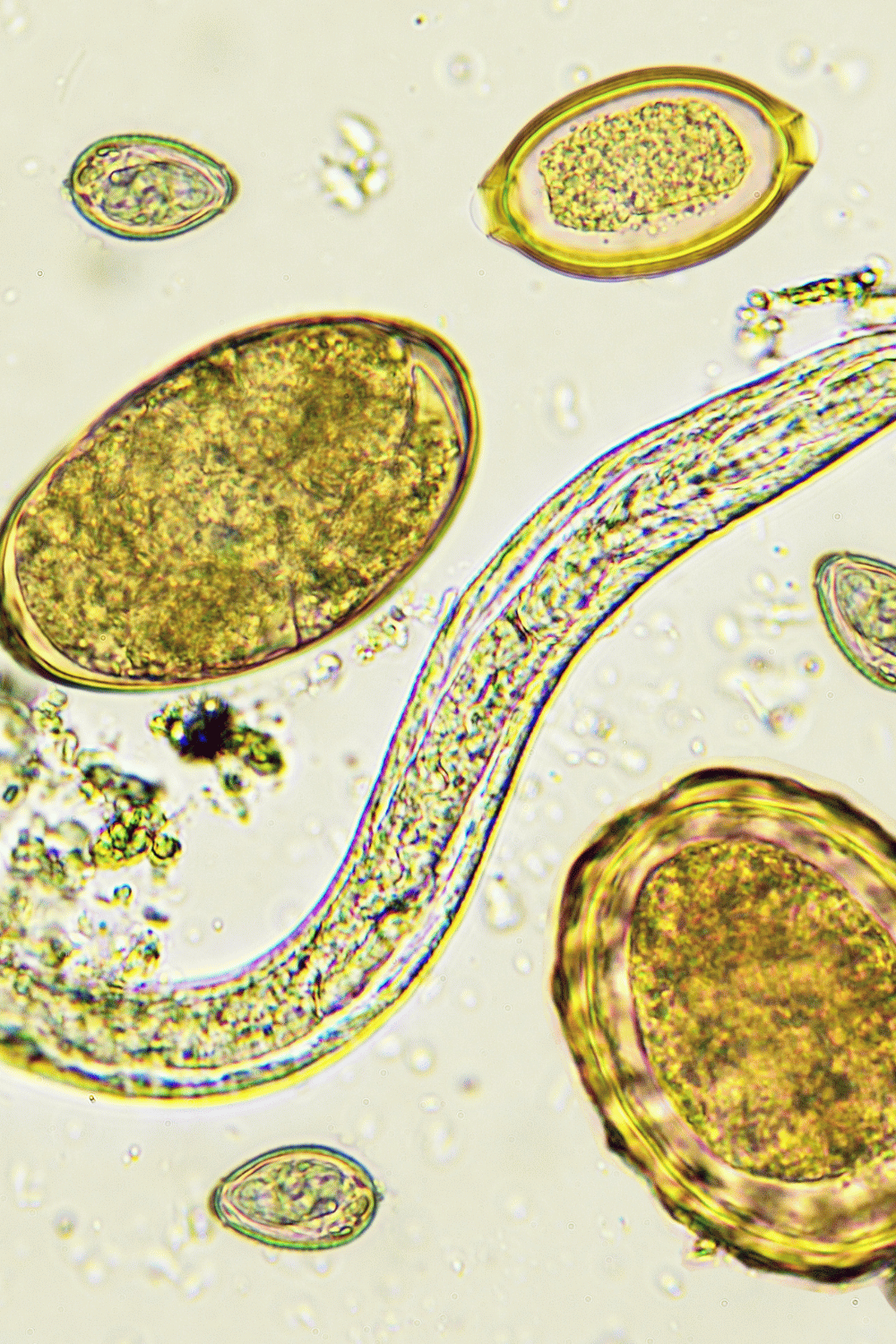
The digestive system is where many of the vitamins and minerals needed for healthy hair are absorbed. If digestion isn’t functioning optimally, nutrient deficiencies may develop over time – even when you’re eating a nutrient-dense diet.
Several digestive concerns may affect nutrient absorption, including:
- Celiac disease
- Inflammatory bowel disease
- Low stomach acid
- Chronic diarrhea
- Certain medications that reduce stomach acid
- Previous gastrointestinal surgery
- Ongoing digestive symptoms that haven’t been addressed
This doesn’t mean everyone experiencing hair loss has a gut problem.
It does mean that persistent bloating, constipation, diarrhea, reflux, abdominal discomfort, or food sensitivities deserve attention – not only for digestive health, but because they can influence the body’s ability to absorb and utilize nutrients.
A healthy gut supports far more than digestion. It plays an important role in immune function, inflammation, hormone metabolism, and nutrient absorption – all of which can influence healthy hair growth.
Blood Sugar Matters More Than Many People Realize
When we think about blood sugar, most of us think about diabetes. But blood sugar affects far more than that.
Repeated spikes and crashes in blood sugar can contribute to inflammation, increased oxidative stress, hormone imbalances, and changes in insulin signaling – all of which influence the health of your hair over time.
Women with insulin resistance or PCOS often experience this firsthand.
Supporting balanced blood sugar doesn’t require perfection. In fact, small habits practiced consistently often make the biggest difference.
Some of our favorite strategies include:
- Prioritizing protein at breakfast.
- Including healthy fats and fiber with meals.
- Eating regular meals rather than skipping them.
- Going for a short walk after meals when possible.
- Strength training to support healthy insulin sensitivity.
- Getting quality sleep.
These habits don’t just support your metabolism – they benefit your hormones, your energy, and your overall health as well.
Could a Medication Be Playing a Role?
Sometimes hair loss has nothing to do with nutrition or hormones alone.
Certain medications can contribute to increased hair shedding in some individuals. This doesn’t mean you should stop taking a prescribed medication without speaking with your healthcare provider, but it may be worth discussing if you’ve noticed a change after starting a new medication.
Examples include:
- Certain antidepressants
- Some blood pressure medications
- Blood thinners
- Retinoids (such as isotretinoin)
- Some medications used to treat autoimmune conditions
- Certain chemotherapy agents
- Hormonal medications, including starting or stopping hormonal birth control
If the timing of your hair loss seems to coincide with a medication change, bring it up with your healthcare provider. There may be alternative options available, or the shedding may improve as your body adjusts.
When Hair Loss May Be Autoimmune
While many cases of hair thinning are related to nutrition, hormones, stress, or other lifestyle factors, some forms of hair loss have an autoimmune component.
Alopecia areata is one example. It often appears as smooth, round patches of hair loss and occurs when the immune system mistakenly attacks the hair follicle. Autoimmune thyroid disease, such as Hashimoto’s thyroiditis, may also contribute to hair thinning.
If you notice:
- Sudden patches of missing hair
- Rapid or severe hair loss
- Scarring of the scalp
- Significant itching, pain, or inflammation
- Hair loss accompanied by other autoimmune symptoms
it’s important to seek evaluation from a qualified healthcare provider. Early diagnosis can be helpful in determining the most appropriate treatment plan.
Our Holistic Approach to Supporting Healthy Hair
While every woman’s story is different, there are several foundational areas that support healthy hair growth and overall wellness.
Prioritize Protein
Hair is built from protein, so nourishing your body with adequate, high-quality protein each day provides the raw materials needed for healthy growth.
Eat a Nutrient-Dense Diet
Focus on whole foods rich in iron, zinc, selenium, omega-3 fats, B vitamins, colorful fruits and vegetables, and healthy fats.
Rather than chasing individual “superfoods,” think about creating balanced meals consistently.
Support Your Nervous System
Chronic stress doesn’t simply affect your mood—it influences your hormones, digestion, inflammation, sleep, and nutrient utilization.
Building simple daily habits that help your body feel safe can make a meaningful difference over time.
This might include:
- Morning sunlight
- Walking outdoors
- Prayer or meditation
- Gentle breathwork
- Time with people you love
- Protecting your sleep
- Saying “no” to unnecessary obligations
Small, consistent habits often matter more than dramatic changes.
Care for Your Gut
Healthy digestion supports healthy hair.
If you’re struggling with persistent bloating, constipation, reflux, diarrhea, or other digestive symptoms, addressing those concerns may help improve nutrient absorption and overall health.
Support Balanced Blood Sugar
Stable blood sugar benefits nearly every system in the body, including your hormones.
Aim for meals that include protein, healthy fats, fiber, and colorful carbohydrates rather than relying heavily on refined sugars and processed foods.
Don’t Underestimate Sleep
Hair repair and regeneration don’t happen only because of supplements.
Sleep is one of the body’s greatest opportunities to heal, regulate hormones, and recover from daily stressors.
What Lab Work Might Be Helpful?
If you’re experiencing ongoing hair loss, it’s worth having thorough lab work done to identify any nutrient gaps.
Depending on your symptoms and medical history, testing may include:
- Complete blood count (CBC)
- Comprehensive metabolic panel (CMP)
- Ferritin
- Iron studies
- Vitamin D
- Vitamin B12
- Folate
- Zinc
- Thyroid panel (TSH, Free T4, Free T3, and thyroid antibodies)
- Hemoglobin A1c
- Fasting insulin
- Hormone testing when clinically appropriate (we use the DUTCH test)
Not everyone needs every test. The goal isn’t to order labs simply because they’re available – it’s to use them thoughtfully, alongside your symptoms, health history, and clinical picture.
A Few Words About Supplements
When hair starts falling out, it’s tempting to buy every supplement marketed for “hair, skin, and nails.” However, more isn’t always better.
While supplements can absolutely play an important role when a deficiency is identified, taking large amounts of nutrients your body doesn’t need isn’t likely to solve the underlying issue – and in some cases, excessive supplementation may even create new imbalances.
Instead of asking, “What’s the best hair supplement?” consider asking: “What does my body actually need?”
A personalized approach is almost always more effective than a one-size-fits-all solution.
The Bottom Line
Healthy hair doesn’t begin with a shampoo bottle. It begins with a healthy body.
While genetics certainly influence hair growth for some women, many of the most common contributors to hair loss are worth exploring – from nutrition and thyroid health to stress, hormones, gut health, and blood sugar balance.
If your hair has been trying to get your attention, don’t ignore it, but don’t panic either. See it as an invitation to slow down and ask a different question. Not “How do I stop my hair from falling out?”
But rather, “What is my body trying to tell me?”
Sometimes that simple shift in perspective is where true healing begins.💚
Sources
Almohanna HM, Ahmed AA, Tsatalis JP, Tosti A. The role of vitamins and minerals in hair loss: A review. Dermatology and Therapy. 2019;9(1):51-70.
Guo EL, Katta R. Diet and hair loss: Effects of nutrient deficiency and supplement use. Dermatology Practical & Conceptual. 2017;7(1):1-10.
Hunt N, McHale S. The psychological impact of alopecia. BMJ. 2005;331:951-953.
Malkud S. Telogen effluvium: A review. Journal of Clinical and Diagnostic Research. 2015;9(9):WE01-WE03.
Prie BE, Iosif L, Tivig I. Oxidative stress and alopecia. Journal of Medicine and Life. 2022.
Sinclair R. Hair shedding in women: How much is normal? British Journal of Dermatology.
Thompson JM, Mirza MA, Park MK, Qureshi AA, Cho E. The association of vitamin D and hair disorders: A review. Skin Appendage Disorders. 2017.