What every future parent should know about optimizing their health before conception.
If you’re not currently thinking about pregnancy, there’s a good chance someone you love is. Maybe it’s your daughter. Your sister. Your granddaughter. Your best friend.
If that’s the case, we’d love for you to forward this article to them. Because one message deserves far more attention than it gets: A healthy pregnancy doesn’t begin with a positive pregnancy test – it begins long before conception.
When we think about pregnancy, we often focus on the nine months that follow. Prenatal vitamins. Baby registries. Nursery colors. Weekly bump photos. But one of the greatest opportunities to support both mom and baby happens months, even a year or more, before pregnancy ever begins.
At Kale Blossom, we believe this season deserves just as much attention as pregnancy itself. Not because preparing guarantees a perfect pregnancy. It doesn’t.
Not because every aspect of fertility or pregnancy is within our control. It isn’t.
But because your body is remarkably designed to respond to nourishment, movement, restorative sleep, and a healthy environment. Supporting those foundations before pregnancy gives your body the resources it needs for one of the most incredible jobs it will ever do.
Whether you’re hoping to conceive soon or simply planning ahead, here’s where we’d start.
Start with Your Health, Not a Pregnancy Test
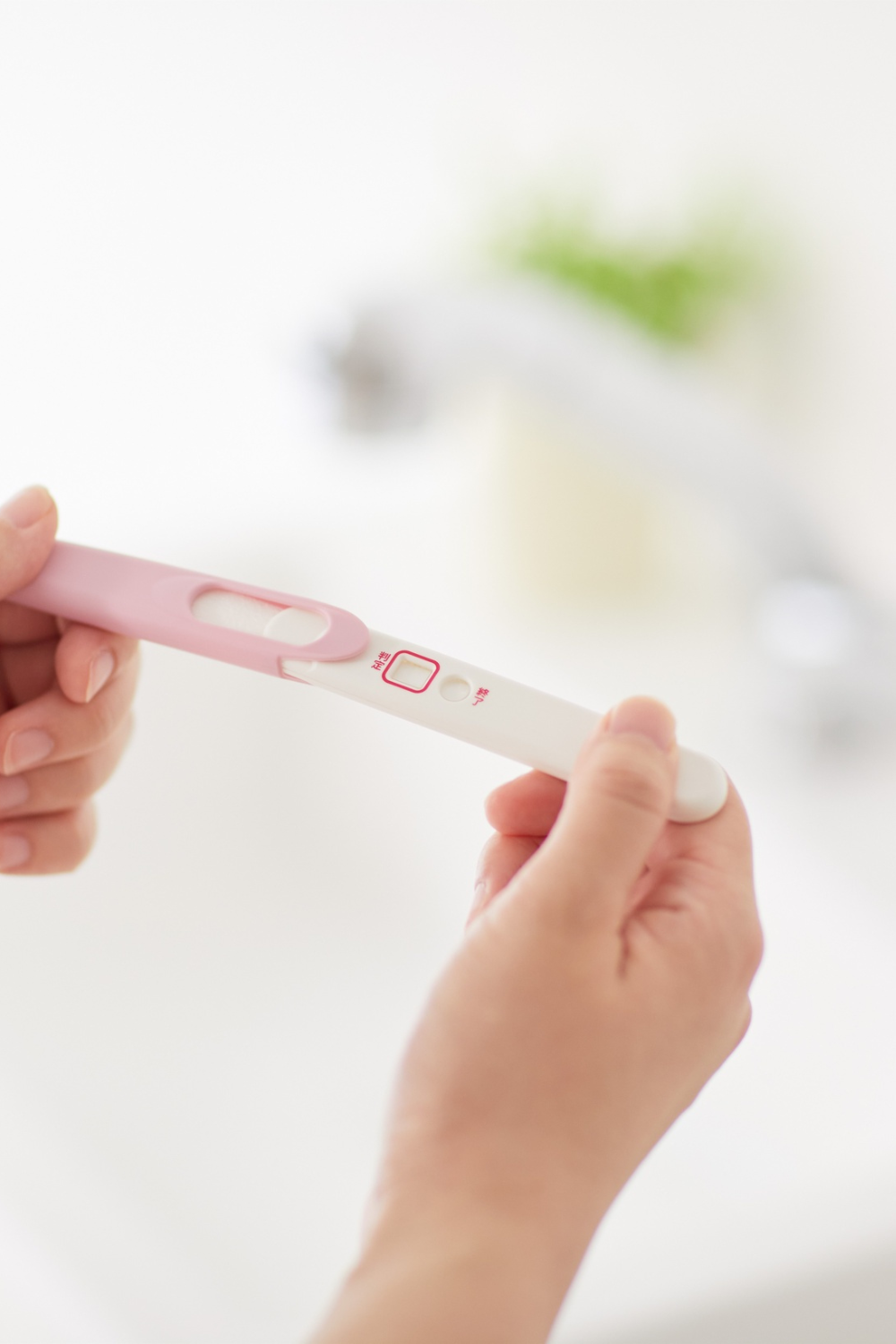
One of the biggest myths surrounding pregnancy is that your health journey begins after you see two pink lines.
In reality, many of the earliest stages of development happen before a woman even realizes she’s pregnant. That’s one reason organizations like the American College of Obstetricians and Gynecologists encourage pre-pregnancy counseling – an opportunity to identify health concerns, review medications and supplements, optimize nutrition, and establish healthy lifestyle habits before conception.
Think of it this way. If you were about to plant a garden, you wouldn’t wait until after planting the seeds to prepare the soil. You’d enrich it first. The same idea applies here.
Preparing for pregnancy isn’t about perfection – it’s about creating the healthiest environment possible before your baby ever begins to grow.
Learn What Your Body Is Trying to Tell You
One of the first things we encourage women to do is understand what’s happening beneath the surface. It’s surprisingly common for nutrient deficiencies, thyroid concerns, blood sugar dysregulation, or inflammation to go unnoticed until pregnancy. By then, your body is already working overtime.
Whenever possible, we recommend evaluating your health at least 6–12 months before trying to conceive.
Every person is different, but bare minimum foundational testing should include:
- Complete Blood Count (CBC)
- Comprehensive Metabolic Panel (CMP)
- Iron studies (including ferritin)
- Vitamin D
- Vitamin B12
- Folate
- Comprehensive thyroid panel (TSH, Free T4, Free T3, thyroid antibodies, and, when appropriate, Reverse T3)
- Hemoglobin A1c
- Lipid panel
- High-sensitivity CRP (hsCRP)
Depending on your medical history & concerns, evaluating hormones, gut health, autoimmune markers, nutrient status, and/or genetic screening may also be indicated.
Lab work isn’t about finding something “wrong.” It’s about understanding where your body may benefit from additional support before pregnancy begins.
Build Your Nutrient Stores
Growing a baby requires an incredible amount of energy and nutrition. Unfortunately, many women enter pregnancy already depleted or with suboptimal stores.
Busy schedules, ultra-processed foods, chronic stress, digestive issues, restrictive dieting, and years of nutrient demands can slowly empty the body’s reserves without obvious symptoms. Instead of focusing on calories or dieting before pregnancy, we encourage women to think about nourishment.
Ask yourself: “How can I give my body more of what it needs?”
That often looks like:
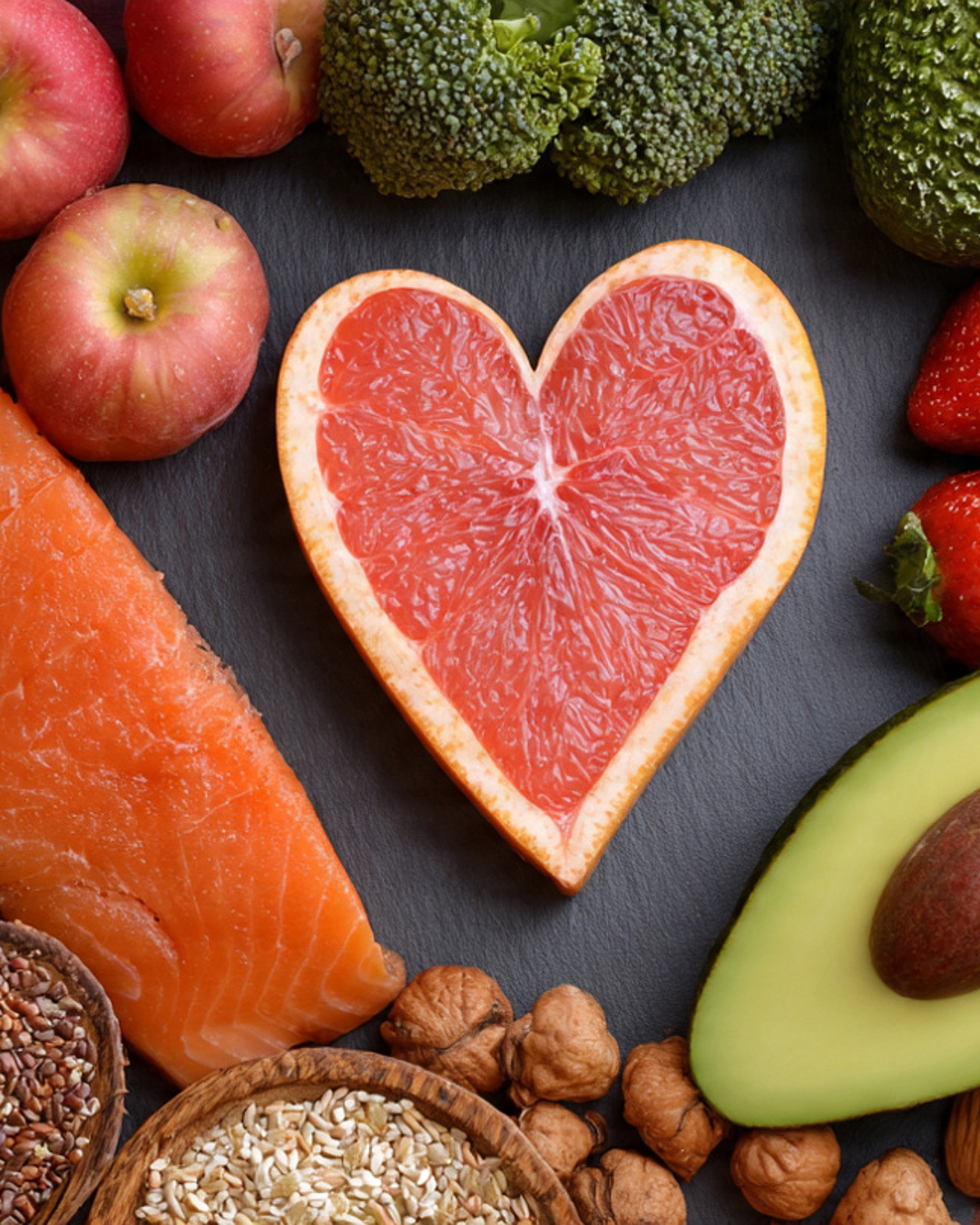
- Protein with every meal
- Colorful vegetables and fruit
- Healthy fats like olive oil, avocado, nuts, and seeds
- Fiber-rich carbohydrates
- Mineral-rich whole foods
- Good hydration
Every meal becomes another opportunity to support healthy hormones, blood sugar, egg quality, and overall wellness.Small choices made consistently over many months matter far more than eating perfectly for one week.
Don’t Wait Until You’re Pregnant to Start a Prenatal
One of the most common questions we receive is: “Should I wait until I’m pregnant to start taking a prenatal?”
Our answer is almost always no.
Many of the nutrients needed during the earliest stages of pregnancy – including folate, iodine, choline, iron, and other essential vitamins and minerals – are most beneficial when your body already has adequate stores.
The neural tube, which eventually develops into your baby’s brain and spinal cord, forms during the first few weeks of pregnancy, often before a woman knows she’s expecting, which is why all women capable of becoming pregnant consume at least 400 micrograms of folate daily, in addition to eating folate-rich foods.
Think of your prenatal as part of preparing the foundation – not reacting after the fact.
Move Your Body Because It Loves You Back
Exercise isn’t about earning pregnancy. It’s about supporting the incredible body you’ve already been given.
Strength training, walking, mobility work, and regular movement can help support blood sugar balance, bone health, cardiovascular fitness, posture, mood, and resiliency before pregnancy.
You don’t need complicated routines or hours in the gym. Consistency matters far more than intensity.
If you’ve experienced pelvic pain, back pain, or previous pelvic floor dysfunction, working with a pelvic floor therapist before pregnancy can also be a wonderful investment.
Your Sleep Is Doing More Than You Think
Sleep is when your body restores, repairs, regulates hormones, and prepares for another day. Yet it’s often the first thing we sacrifice.
If improving your sleep feels overwhelming, don’t try to overhaul everything at once. Start with one habit.
Go outside within an hour of waking. Create a consistent bedtime. Dim the lights in the evening. Put your phone away a little earlier.
Sometimes the smallest habits create the biggest ripple effects.
Progress Over Perfection in Your Home
A common question we hear is, “Do I have to throw everything away?”
Absolutely not.
At Kale Blossom, we’re big believers in progress over perfection. As products naturally run out, consider replacing them with lower-tox options.
Start with the things you use every single day:
- Personal care products
- Cleaning products
- Food storage containers
- Artificial fragrances
- Older nonstick cookware
Research continues to explore how many environmental exposures can affect reproductive health, and organizations like ACOG encourage discussing avoidable environmental and occupational exposures before pregnancy.
Remember, this isn’t about fear. It’s about making thoughtful choices where you can. Read our article here for the 10 things we like to start by swapping on a low-tox journey.
Dad Matters, Too!
One of the biggest misconceptions about pregnancy preparation is that it’s only the woman’s responsibility.
It’s not!
Sperm are continually being produced, with development taking about three months.
That means dad’s nutrition, movement, sleep, stress, smoking, alcohol intake, labs and environmental exposures before conception all matter, too. It is important to consider both women and men with reproductive potential about healthy lifestyle habits before pregnancy.
Healthy pregnancies begin with healthy parents.
One Last Thought
If you’re hoping to become pregnant within the next year, we hope this doesn’t feel like another checklist.
We hope it feels like an invitation. An invitation to care for your body.
To nourish yourself well.
To move because it feels good.
To sleep a little more.
To spend time outside.
To choose progress instead of perfection.
Every nourishing meal.
Every walk around the block.
Every strength workout.
Every good night’s sleep.
Every healthier swap.
They’re all investments in your future.
And while those choices may one day benefit your future child, they’ll begin benefiting you today.
Sources
American College of Obstetricians and Gynecologists. Prepregnancy Counseling. Committee Opinion No. 762. January 2019.
Centers for Disease Control and Prevention. Planning for Pregnancy. Updated May 8, 2025.
Centers for Disease Control and Prevention. Folic Acid: Sources and Recommended Intake. Updated June 2, 2026.